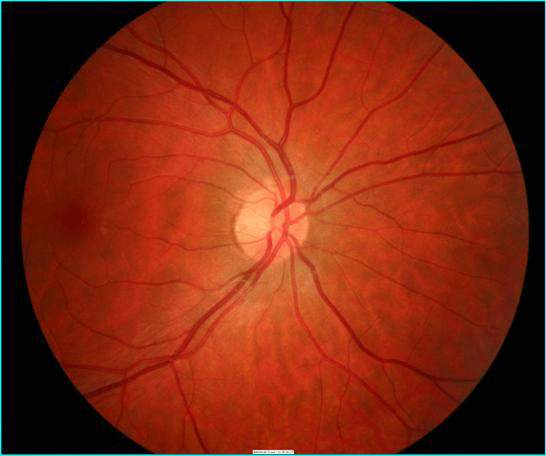
Öldrunarrannsókn 1. áfangi.
Öldrunarrannsóknin Hjartaverndar var nýjasti áfanginn í Hóprannsókn Hjartaverndar, sem hófst 1967. Öldrunarrannsóknin er samstarfsverkefni Hjartaverndar og Bandaríska Heilbrigðisráðuneytisins (National Institutes of Health).
Hverjir taka þátt í rannsókninni?
Um það bil 15 þúsund einstaklingar á Íslandi sem tóku þátt í Hóprannsókn Hjartaverndar frá árinu 1967 og eru enn á lífi, var boðið að taka þátt í Öldrunarrannsókninni. Með því að bjóða þátttakendum úr fyrri rannsóknum að taka þátt í rannsókninni, þá verður búið að safna gögnum um viðkomandi einstaklinga yfir meginhluta ævi þeirra þannig að hægt verður að sjá hvernig fólk eldist, þ.e. hvað það er í líkamsstarfseminni sem breytist við öldrun.
Markmið Öldrunarrannsóknarinnar
Markmið rannsóknarinnar er að kanna heilbrigði öldrunar og reyna að finna út hvaða þættir það eru í umhverfi, erfðum og líkamsástandi fólks sem hafa áhrif á heilsu þess á efri árum. Vonast er til að rannsóknin gefi upplýsingar um samband á milli mælanlegra þátta snemma á ævinni og þróun sjúkdóma á efri árum og þá ekki síst við heilbrigði öldrunar.
Framkvæmd rannsóknarinnar
Öldrunarrannsókn Hjartaverndar er viðamesta rannsókn sinnar tegundar sem gerð hefur verið í heiminum. Þau líffærakerfi sem voru skoðuð eru:
- Heili
- Bein
- Vöðva og fitudreifing líkamans
- Hjarta og æðakerfi
Upplýsingarnar sem söfnuðust í rannsókninni verða nýttar í almannaþágu. Reynt verður að sjá hvort hægt er að koma í veg fyrir eða hægja á öldrunareinkennum. Vonast er til að upplýsingarnar nýtist þannig að unnt verði að beita fyrirbyggjandi læknisfræði til að bæta heilsu og auka lífsgæði fólks á efri árum.
Þessi fyrsti áfangi Öldrunarrannsóknarinnar hófst í september 2002 og innköllun var hætt janúar 2006
-
Almenn rannsókn
Í sinni fyrstu heimsókn í Öldrunarrannsókn Hjartaverndar fóru þátttakendur í gegnum ýmsar almennar rannsóknir. Hluti af þessum rannsóknum var sá sami og fólk fer í Áhættumati Hjartaverndar en aðrar rannsóknir bættust þar að auki við. Öldrunarrannsókn Hjartaverndar var mun umfangsmeiri en fyrri áfangar í Hóprannsókn Hjartaverndar.
-
Myndgreining
Myndgreiningardeildin er stór þáttur í Öldrunarrannsókn Hjartaverndar. Deildin er staðsett á annarri hæð rannsóknarstöðvarinnar í u.þ.b. 600 m2 húsnæði. Þar starfa meðal annars röntgenlæknar, geislafræðingar og tæknimenn, en þar fyrir utan tengist fjöldi innlendra og erlendra vísindamanna og ráðgjafa starfsemi deildarinnar.
-
Ferlið
Þátttakendur í Öldrunarrannsókn Hjartaverndar gengu í gegnum vel skilgreint og skipulagt ferli. Þegar þátttakendur luku öllum skoðunum og mælingum í rannsókninni, hafði Hjartavernd safnað miklu magni af upplýsingum um viðkomandi.
-
Stjórnendur
Vilmundur Guðnason: Forstöðulæknir Hjartaverndar, aðalstjórnandi rannsóknar
Lenore Launer: Frá Öldrunarstofnun Bandaríkjanna, aðalstjórnandi rannsóknar
Tamara Harris: Frá Öldrunarstofnun Bandaríkjanna, aðalstjórnandi rannsóknar
Guðný Eiríksdóttir: Framkvæmdastjóri Öldrunarrannsóknarinnar

Takk fyrir þátttökuna
Við starfsmenn Hjartaverndar sendum öllum þátttakendum Öldrunarannsóknarinnar okkar bestu þakkir fyrir þátttökuna og ekki síst fyrir hina einstöku velvild og hlýju sem við höfum fundið hjá gestum okkar. Þetta var tímafrek rannsókn, en alls tóku 5764 einstaklingar þátt í henni og var hver þátttakandi að meðaltali hjá okkur um 9 klukkustundir í alls þremur heimsóknum. Það voru alls 237 einstaklingar sem þáðu heimaheimsókn og 44 sem tóku þátt með því að gefa blóð. Einnig viljum við þakka þeim 1000 aðstandendum sem svöruðu spurningum okkar.


Opnunartímar
- Mán - Fös: 08:00 - 16:00
- Helgar: Lokað